How Can I Sell My Artwork?
In this article
You made something. Now what?
That question stops more artists than any platform fee or listing rule ever will. Not “which model earns the most” – that comes later. Just: is this good enough, and where does it even go?
This guide is for the artist standing in front of a stack of finished pieces, or a folder of digital files, with no clear next step. Not the artist who has already picked a revenue model and needs a platform comparison – that decision comes after this one, and how to sell art covers it in depth. This guide covers the step before that: deciding if your work is ready, what format to sell it in first, and where to list it without building a full shop on day one.
Three questions get you there in order:
- Is this piece actually ready to sell?
- Should you sell the original, a print, or a digital file?
- Where can you list it without committing to a whole platform strategy?
Answer those, and the platform and pricing decisions get much easier – because you are no longer choosing from every option, just the two or three that fit your actual situation.
How Can I Sell My Artwork? Start With Readiness, Not Platforms
Selling your artwork means turning a finished piece, physical or digital, into a paid listing on a marketplace, a print-on-demand site, or your own store. The Etsy marketplace alone reported 89.6 million active buyers as of the end of 2024 (per Etsy Inc.’s Q4 2024 results), many of them searching specifically for original art, prints, and illustration files.
Most guides jump straight to “here are five platforms.” That skips the actual blocker. If you do not know whether your work is ready, or whether to sell the original versus a print versus a file, no platform comparison fixes that. You will open five tabs, compare fees, and still not list anything.
The fix is to answer the readiness and format questions first. Once you know what you are selling, picking where to list it takes minutes, not weeks.
Is My Artwork Good Enough to Sell?
Your artwork is ready to sell once it is finished, consistent in quality with your other best pieces, and photographed or scanned clearly. It does not need to be your best possible work ever, and it does not need a large following behind it – marketplaces like Etsy provide search traffic to buyers who do not know you yet.
This is the question artists get stuck on longest, and it is rarely about skill. It is about comparison. You are measuring your work against galleries, Instagram feeds, and Etsy’s top sellers – all of whom have been listing for years.
A more useful test: pick your three strongest finished pieces. Would a stranger, not a friend being kind, pay $15-$40 for one of them as a print or download? If yes, you have enough to start. You do not need twenty listings on day one. Sellers on Etsy and similar marketplaces routinely start with three to five pieces and add more as early sales tell them what resonates.
If the honest answer is “these are practice pieces, not finished work,” that is useful information too – it means the next step is finishing one piece well, not researching platforms further.
Should I Sell the Original, a Print, or a Digital File First?
Sell the original if the piece is one-of-a-kind and you are comfortable parting with it. Sell prints if you want to keep the original and earn from multiple buyers. Sell a digital file if you want the lowest barrier to a first sale, since there is no printing, shipping, or inventory involved.
This decision matters more than which platform you pick, because it determines your workload, your margin, and whether you can sell the same piece more than once.
| Format | Keep the Original? | What You Need Before Listing | Best Fit |
|---|---|---|---|
| Sell the original | No | A price, packaging, and shipping method | One-of-a-kind physical work you’re ready to let go of |
| Sell prints (POD) | Yes | A high-resolution scan or photo | Illustration, painting, or design you want to keep and resell repeatedly |
| Sell a digital file | Yes | A clean export (PDF, JPEG, or PNG) | Artists who want the fastest, lowest-cost first sale |
| License it | Yes | A portfolio and clear usage terms | Established styles that commercial buyers might reuse |
Most first-time sellers default to the format that feels safest, not the one that matches their goal. If you are anxious about giving up an original, start with a print or digital file instead – you can always sell the original later once you have tested demand.
For a full breakdown of how these formats compare on margin and startup cost, how to sell art walks through the numbers. If your work is digital-first (procreate files, vector illustration, AI-assisted pieces), how to sell digital art covers format-specific decisions in more depth.
Where Can I Sell My Artwork Without Building a Whole Shop?
List your first piece on Etsy if you want built-in search traffic and no existing audience required, on Instagram or Facebook Marketplace if you already have followers who know your work, or at a local craft fair if you want to test pricing and get direct feedback before building an online shop.
You do not need a fully built-out shop to make a first sale. Each of these paths gets a single piece in front of buyers with a different amount of setup work:
- Etsy: Best if you have no existing audience. The platform’s search surfaces listings to buyers already looking for art, prints, or downloads – per Etsy’s seller handbook, shops with complete, well-tagged listings rank higher in that search.
- Instagram or Facebook Marketplace: Best if people already comment on or ask about your work. No listing fees, and you are selling to buyers who have already seen the piece.
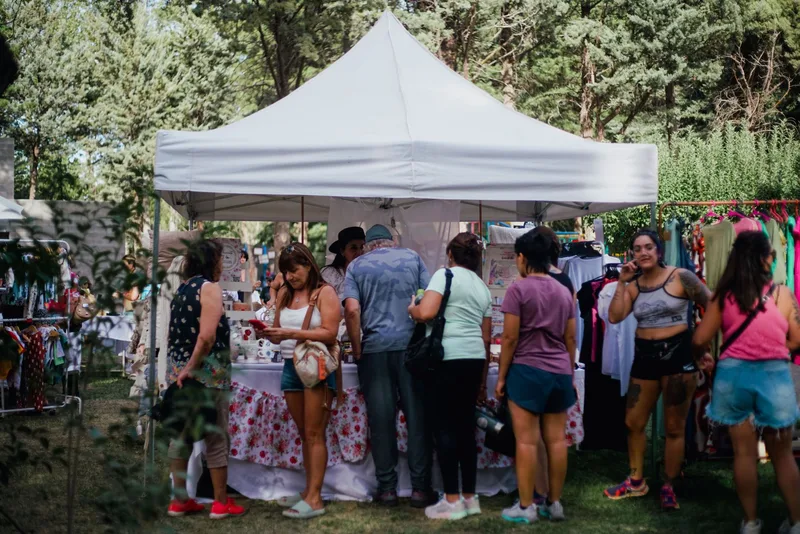
- A local craft fair or art market: Best for testing a price in person before committing to an online storefront. You get direct reactions, which online listings never give you.
- Redbubble or Society6: Best if you want physical products (prints, apparel, cases) without handling printing or shipping yourself.
Pick one path for your first listing. Trying to launch on all four at once is what usually causes artists to stall before publishing anything. For a side-by-side comparison of the bigger platforms once you are ready to expand, how to sell artwork online compares Etsy, Gumroad, Creative Market, Redbubble, and Shopify. If Etsy is not the right fit for your work, alternatives to Etsy for artists covers other marketplace options.
These paths are not mutually exclusive. A common sequence: test a price and get direct feedback at one craft fair, then list the same piece as a digital download or print on Etsy using what you learned about what buyers actually responded to. The fair tells you whether the piece resonates at all. The online listing tells you whether it resonates with strangers who found you through search, which is a different and more durable signal than a single afternoon of in-person sales.
Still not sure which format or platform fits your work? Take the free 2-minute quiz to match your art, skills, and goals to a starting path. No signup required. No pitch at the end.
How Do I Protect My Artwork Before I List It?
Your artwork is automatically protected by copyright the moment you create it, per the U.S. Copyright Office, but a visible watermark on preview images and a lower-resolution file for listings reduces casual theft of digital files before purchase.
You do not need to register a copyright before your first sale – it exists automatically once the work is fixed in a tangible form, whether that is a canvas or a saved file. What actually matters at listing time is more practical:
- Photograph or scan the piece at a resolution high enough to look sharp online, but keep your highest-resolution master file private.
- Add a light watermark to preview images if you are selling a digital download, so a screenshot cannot be used as the final product.
- Keep the original files or physical piece stored somewhere separate from your listing drafts, so you are never selling from your only copy by accident.
None of this needs to be complicated. A watermark and a private master file cover most of the practical risk for a first-time seller.
How Much Should I Charge for My First Piece?
Price your first piece based on your confidence and evidence level, not a formula: $5-$15 for a first digital download with no track record, $15-$40 for a print or a digital piece once you have a few sales, and $40 and up for an original once buyers have responded to your work. Adjust up as reviews and repeat interest build.
Pricing formulas that account for materials and hourly rate work well once you have sales history. Before that, the more useful question is: what price would you be comfortable defending if a buyer asked why?
| Confidence Level | Suggested First Price | Why |
|---|---|---|
| No sales yet, testing the market | $5-$15 (digital) | Low friction gets you your first reviews faster |
| A few completed sales | $15-$40 (print or digital) | Early proof lets you price closer to comparable listings |
| Consistent sales or waitlist interest | $40+ (original or licensed use) | Demonstrated demand supports a premium price |
Use the Etsy pricing calculator to work backward from a target profit once you have picked a starting price – it accounts for listing fees and transaction costs so your margin does not disappear after the sale.
Frequently Asked Questions
How can I sell my artwork if I have no following?
You do not need an existing audience to sell artwork. Etsy provides built-in search traffic to buyers already looking for art and prints, so a well-tagged listing can get discovered without any following. This is different from platforms like Gumroad, which rely more on traffic you bring yourself.
Can I sell prints of my artwork without giving up the original?
Yes. Selling prints through print-on-demand platforms like Redbubble or Society6 lets you keep the original piece while earning from every print sold. You upload one high-resolution scan, and the platform handles printing, shipping, and fulfillment for each order.
Do I need to register a copyright before selling my artwork?
No. Copyright protection exists automatically the moment your artwork is created and fixed in a tangible form, per the U.S. Copyright Office. Registration adds legal benefits for enforcement, but it is not required to list and sell a piece.
What should I charge for my very first art sale?
Price a first digital download between $5 and $15, since a lower price reduces the friction to your first review. Once you have a handful of completed sales, you can raise prices toward $15-$40 for prints or digital pieces, based on the demand your early listings show.
Should I sell my artwork online or at local craft fairs first?
Either works as a first step. Craft fairs give direct buyer feedback and let you test a price in person, while online marketplaces like Etsy give you ongoing search traffic after the event ends. Many artists use a fair to validate pricing, then list the same pieces online.
Keep Reading
What to Do Next
Choose the path that fits where you are right now.
Score Your Ideas
Answer a few questions about your skills, audience, and goals. Get a product type and selling platform matched to you.
Take the QuizGet Weekly Tactics
One tip, one tool, one case study. Every Tuesday.
Free. No spam. Unsubscribe anytime.